 ★ 6.8

Acting
Fábio Júnior
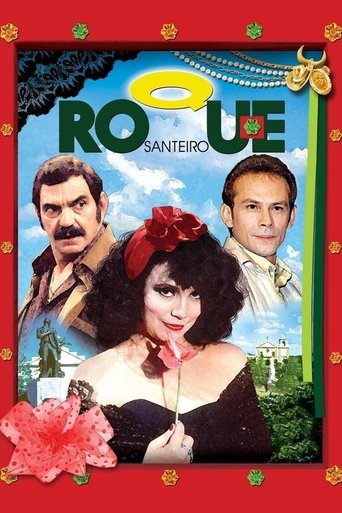
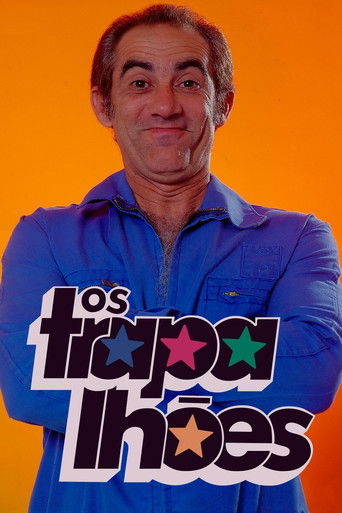
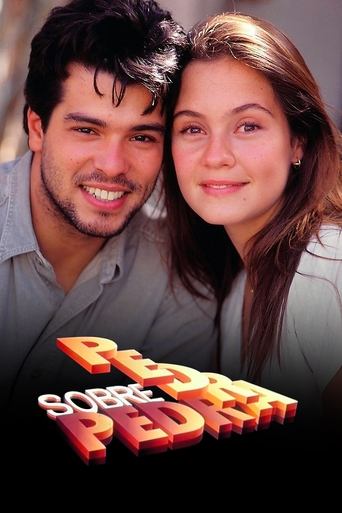
Fábio Júnior es conocido sobre todo por Alma Gêmea, Roque Santeiro, Os Trapalhões y Pedra Sobre Pedra. Fábio Júnior nació el 21 de noviembre de 1953. Fábio Júnior tiene 72 años (nació el 21 de noviembre de 1953).
- Nacimiento
- 21 de noviembre de 1953 (72 años)
- Lugar de nacimiento
- São Paulo, São Paulo, Brazil
Biografía
Fábio Jr., stage name of Fábio Corrêa Ayrosa Galvão (São Paulo, November 21, 1953), is a Brazilian singer, composer, multi-instrumentalist and actor.
Fábio Jr. began performing in São Paulo as a child on TV (Bandeirantes) and radio shows. In 1971, he adopted the stage name Uncle Jack and later Mark Davis, under which he recorded several singles sung in English, having success with "Don't Let Me Try" and "I Want to Be Free Again." In the late '70s, he adopted the stage name Fábio Jr. and became a popular leading man in soap operas, also adopting a mellifluous singing style and a repertory of romantic pop songs. His first LP, Fábio Júnior, came in 1976. He worked in the cinema (his most important assignment being Bye Bye Brasil, Cacá Diegues) and he also recorded in Spanish and hosted his own show at TV Record beginning in 1990. Among his many hits as an author/interpreter, "Vinte e Poucos Anos," "O Que é Que Há?" (with Sérgio Sá), and "Pai" are among the most successful. Since 1976, with a few exceptions, he has been recording an album per year.
Fábio Jr. began performing in São Paulo as a child on TV (Bandeirantes) and radio shows. In 1971, he adopted the stage name Uncle Jack and later Mark Davis, under which he recorded several singles sung in English, having success with "Don't Let Me Try" and "I Want to Be Free Again." In the late '70s, he adopted the stage name Fábio Jr. and became a popular leading man in soap operas, also adopting a mellifluous singing style and a repertory of romantic pop songs. His first LP, Fábio Júnior, came in 1976. He worked in the cinema (his most important assignment being Bye Bye Brasil, Cacá Diegues) and he also recorded in Spanish and hosted his own show at TV Record beginning in 1990. Among his many hits as an author/interpreter, "Vinte e Poucos Anos," "O Que é Que Há?" (with Sérgio Sá), and "Pai" are among the most successful. Since 1976, with a few exceptions, he has been recording an album per year.
Conocido por



Filmografía
- 2026Sessão +SBTAmigo de Romeu
- 2022Hebe: Um Brinde à VidaSelf
- 2014SuperStarSelf - Expert
- 2005Alma GêmeaTheme Song Performance
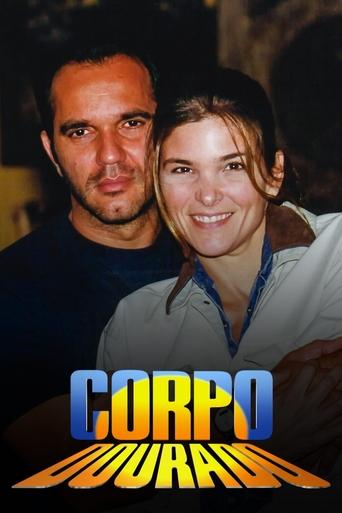
- 1998Corpo DouradoBilly Cruz
- 1996Antônio Alves, TaxistaAntônio Alves
- 1992Pedra Sobre PedraJorge Tadeu
- 1990Brasileiras e Brasileirosdiretor do hospital
- 1986Criança Esperança
- 1985Roque SanteiroRoberto Mathias
- 1983Louco AmorLuís Carlos Becker
- 1983A Festa é NossaEle mesmo
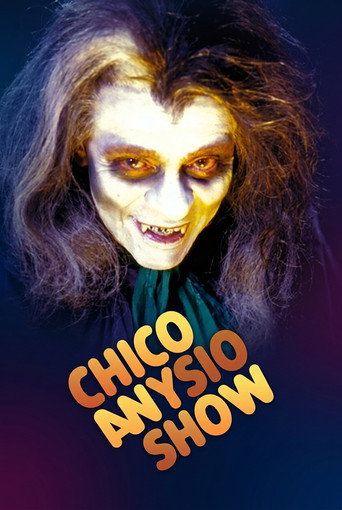
- 1982Chico Anysio ShowSelf
- 1981O Amor é Nosso!Pedro Jardim
- 1980Água VivaMarcos Mesquita
- 1980Olhai os Lírios do CampoTheme Song Performance
- 1979CaboclaLuiz Jerônimo
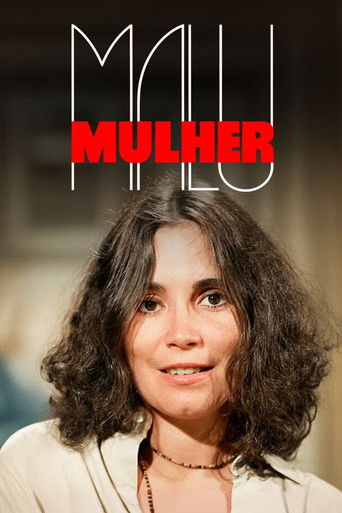
- 1979Malu MulherJorginho
- 1978Ciranda, CirandinhaHélio
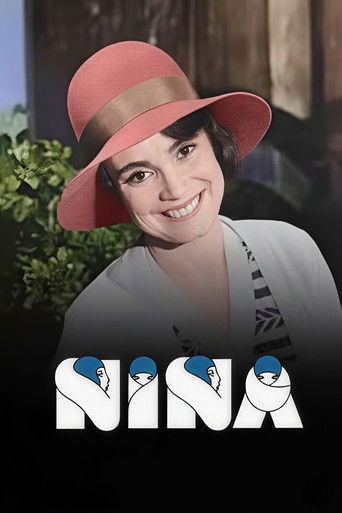
- 1977NinaAlvinho
- 1977Os Trapalhões
- 1963Festival Internacional de la Canción de Viña del MarSelf - Musical Guest
Preguntas frecuentes
¿En qué películas y series ha participado Fábio Júnior?
Fábio Júnior es conocido sobre todo por Alma Gêmea, Roque Santeiro, Os Trapalhões y Pedra Sobre Pedra.
¿Cuándo nació Fábio Júnior?
Fábio Júnior nació el 21 de noviembre de 1953. (São Paulo, São Paulo, Brazil)
¿Cuántos años tiene Fábio Júnior?
Fábio Júnior tiene 72 años (nació el 21 de noviembre de 1953).
Actualizado: 4 de noviembre de 2026 ·