 ★ 7.2

Directing
Фёдор Хитрук
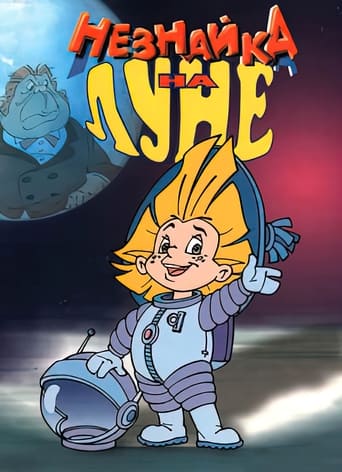
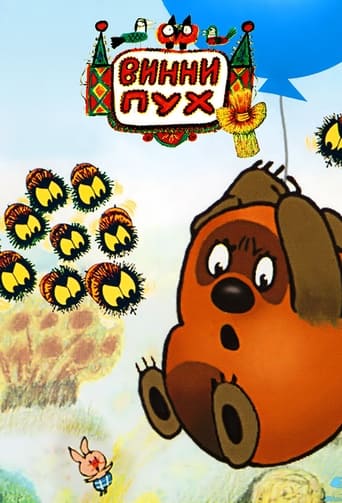
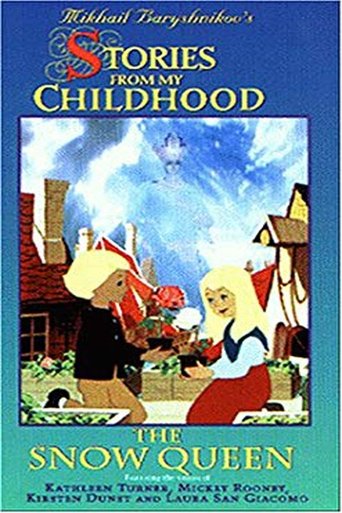
Фёдор Хитрук es conocido sobre todo por Незнайка на Луне, Винни-Пух y Mikhail Baryshnikov's Stories from My Childhood. Фёдор Хитрук nació el 1 de mayo de 1917. Фёдор Хитрук murió el 3 de diciembre de 2012 a los 95 años.
- Nacimiento
- 1 de mayo de 1917
- Lugar de nacimiento
- Tver, Russian Empire
- Fallecimiento
- 3 de diciembre de 2012 (95 años)
Biografía
Fyodor Savelyevich Khitruk (Russian: Фёдор Савельевич Хитрук; 1 May 1917 – 3 December 2012; Tver) was a Russian (and Soviet) animator and animation director.
Khitruk was born in Tver (Russian Empire), into a Jewish family. He came to Moscow to study graphic design at the OGIS College for Applied Arts. He graduated in 1936 and started to work with "Soyuzmultfilm" in 1938 as an animator. From 1962 onwards, he worked as a director. His first film "Story of One Crime" was an immense success. Today, this film is seen as the beginning of a renaissance of Soviet animation after a two-decade-long life in the shadows of Socialist realism. Diverging from the “naturalistic” Disney-like canons that were reigning in the 1950-60s in Soviet animated cartoons, he created his own style, which was laconic yet multi-level, non-trivial and vivid.
He is the director of outstanding animated short films including such classics as his social satire of bureaucrats, "Man in the Frame" (1966); the philosophic parable, "Island" (1973) about the loneliness of a man in modern society; the biographical film "A Young Man Named Engels – A Portrait in Letters" (1970), based on drawings and letters of young Engels; the parody "Film, Film, Film" (1968); and the anti-war film, "Lion and Bull" (1984).
In April 1993, Khitruk and three other leading animators (Yuri Norstein, Andrei Khrzhanovsky, and Eduard Nazarov) founded SHAR Studio, an animation school and studio in Russia. The Russian Cinema Committee is among the share-holders in the studio. In 2008, he released a two-volume book titled "Profession of Animation". He is the grandfather of violin virtuoso Anastasia Khitruk.
Khitruk lived in Moscow, where he died in 2012, aged 95.
Conocido por
Filmografía
- 1998Mikhail Baryshnikov's Stories from My ChildhoodAnimation
- 1997Незнайка на ЛунеConsulting Producer
- 1969Винни-ПухCreator
Preguntas frecuentes
¿En qué películas y series ha participado Фёдор Хитрук?
Фёдор Хитрук es conocido sobre todo por Незнайка на Луне, Винни-Пух y Mikhail Baryshnikov's Stories from My Childhood.
¿Cuándo nació Фёдор Хитрук?
Фёдор Хитрук nació el 1 de mayo de 1917. (Tver, Russian Empire)
¿Cuántos años tiene Фёдор Хитрук?
Фёдор Хитрук murió el 3 de diciembre de 2012 a los 95 años.
Actualizado: 4 de noviembre de 2026 ·