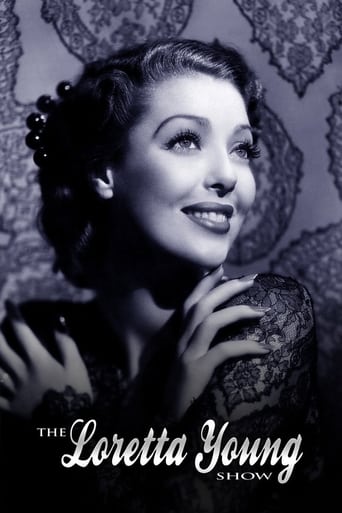
 ★ 6.6
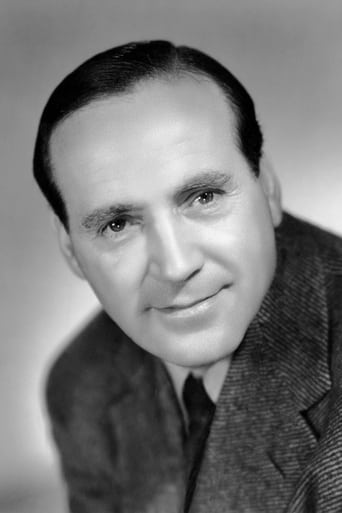
Camera
Rudolph Maté
Rudolph Maté tunnetaan parhaiten teoksista Letter to Loretta. Rudolph Maté on syntynyt 21. tammikuuta 1898. Rudolph Maté kuoli 27. lokakuuta 1964 66-vuotiaana.
- Syntynyt
- 21. tammikuuta 1898
- Syntymäpaikka
- Krakau, Galicia, Austria-Hungary [now Kraków, Malopolskie, Poland]
- Kuollut
- 27. lokakuuta 1964 (66 v)
Elämäkerta
From Wikipedia, the free encyclopedia
Rudolph Maté, A.S.C. (21 January 1898 – 27 October 1964), born Rudolf Matheh or Mayer, was an accomplished cinematographer and film director.
Born in Kraków (then in Austria-Hungary, now in Poland), Maté started in the film business after his graduation from the University of Budapest. He went on to work as an assistant cameraman in Hungary and later throughout Europe, sometimes with noted colleague Karl Freund. Maté worked on several of Carl Theodor Dreyer's films including The Passion of Joan of Arc (1928) and Vampyr (1932) which led to his being hired as director of photography on a number of prominent films.
Maté worked as cinematographer on Hollywood films from the mid-1930s, including Dodsworth (1936), the Laurel and Hardy feature Our Relations (1936) and Stella Dallas (1937). He was nominated for the Academy Award for Best Cinematography in five consecutive years, for Foreign Correspondent (1940), That Hamilton Woman (1941), The Pride of the Yankees (1942), Sahara (1943), and Cover Girl (1944).
In 1947, he turned to directing films, his credits include When Worlds Collide (1951), the film noir classic D.O.A. and No Sad Songs for Me (both 1950).
Directed by Maté, The 300 Spartans is a 1962 film depicting the Battle of Thermopylae. Made with the cooperation of the Greek government, it was shot in the village of Perachora in the Peloponnese.
He died from a heart attack in Hollywood on October 27, 1964 at the age of 66.
Description above from the Wikipedia article Rudolph Maté, licensed under CC-BY-SA, full list of contributors on Wikipedia.
Tunnettu teoksista
★ 6.6 Filmografia
- 1953Letter to LorettaDirector
Usein kysytyt kysymykset
Missä elokuvissa ja sarjoissa Rudolph Maté on esiintynyt?
Rudolph Maté tunnetaan parhaiten teoksista Letter to Loretta.
Milloin Rudolph Maté on syntynyt?
Rudolph Maté on syntynyt 21. tammikuuta 1898. (Krakau, Galicia, Austria-Hungary [now Kraków, Malopolskie, Poland])
Kuinka vanha Rudolph Maté on?
Rudolph Maté kuoli 27. lokakuuta 1964 66-vuotiaana.
Päivitetty: 26. marraskuuta 2026 ·