Directing
Марк Донской
Марк Донской出生于1901年3月6日。 Марк Донской于1981年3月20日去世,享年80岁。
- 出生日期
- 1901年3月6日
- 出生地
- Odessa, Ukrainian SSR, USSR [now Ukraine]
- 逝世日期
- 1981年3月20日 (80岁)
简介
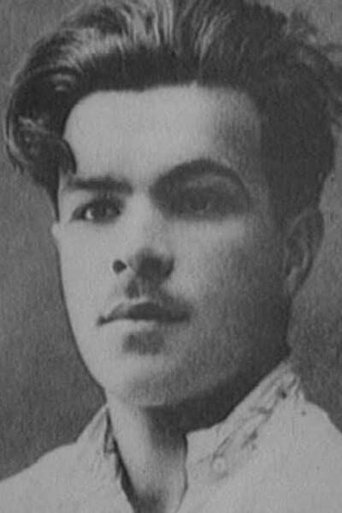
Mark Semyonovich Donskoy (6 March [O.S. 21 February] 1901 – 21 March 1981) was a Soviet film director, screenwriter, and studio administrative head. Donskoy was born in Odessa in a Jewish family. During the Civil War, he served in the Red Army (1921-1923), and was held captive by the White Russians for ten months. After he was freed, he was discharged from military service.
He studied psychology and psychiatry at the Crimean Medical School. In 1925 he graduated from the legal department of the Faculty of Social Sciences of the Crimean M.V. Frunze University in Simferopol. He worked in investigative bodies, in the Supreme Court of the Ukrainian SSR, and in the bar association. He published a collection of short stories drawn from his life called "Prisoners" (1925).
Donskoy began his career in film in 1926. He worked in the script department, but soon advanced as an assistant director in Moscow. Later he worked in Leningrad as an editing assistant. In 1935 he became the first Soviet dubbing director; he dubbed the American film The Invisible Man.
Following this, he directed numerous films. He also worked from time to time as a studio administrator: in 1938–1941, and in 1945-1955 he was the administrative director of Soyuzdetfilm's film studio in Moscow; in 1942-1945 and in 1955-1957 he was director of the Kiev film studio; after 1957, he was director and art director of the Maxim Gorky film studio where he mentored Ousmane Sembène.
His wife was the screenwriter Irina Borisovna Donskaya (1918–1983).
作品年表
常见问题
Марк Донской是哪天出生的?
Марк Донской出生于1901年3月6日。 (Odessa, Ukrainian SSR, USSR [now Ukraine])
Марк Донской多大了?
Марк Донской于1981年3月20日去世,享年80岁。
更新于:2026年10月29日 ·